Business case first
We define the operational or commercial value before prescribing technology.


We modernize critical systems, automate high-friction operations, and build custom software that gives growing businesses room to move.
Technology universe
From established enterprise platforms to modern cloud-native and AI systems, we work with the technology the outcome requires.
The real constraint
Legacy systems slow releases. Manual workflows consume growing teams. Disconnected tools hide the truth. Off-the-shelf platforms force the business to work around their limits.
We find the underlying constraint and build the right path forward.
Three ways forward
Start with the business outcome. Then modernize, automate, or build only what the outcome requires.
Move beyond fragile platforms, technical debt, and integration limits with a phased path that protects business continuity.
Redesign high-friction workflows, connect disconnected tools, and automate responsibly—without automating a broken process.
Turn an important product or platform opportunity into maintainable software with the decisions, progress, and trade-offs visible throughout.
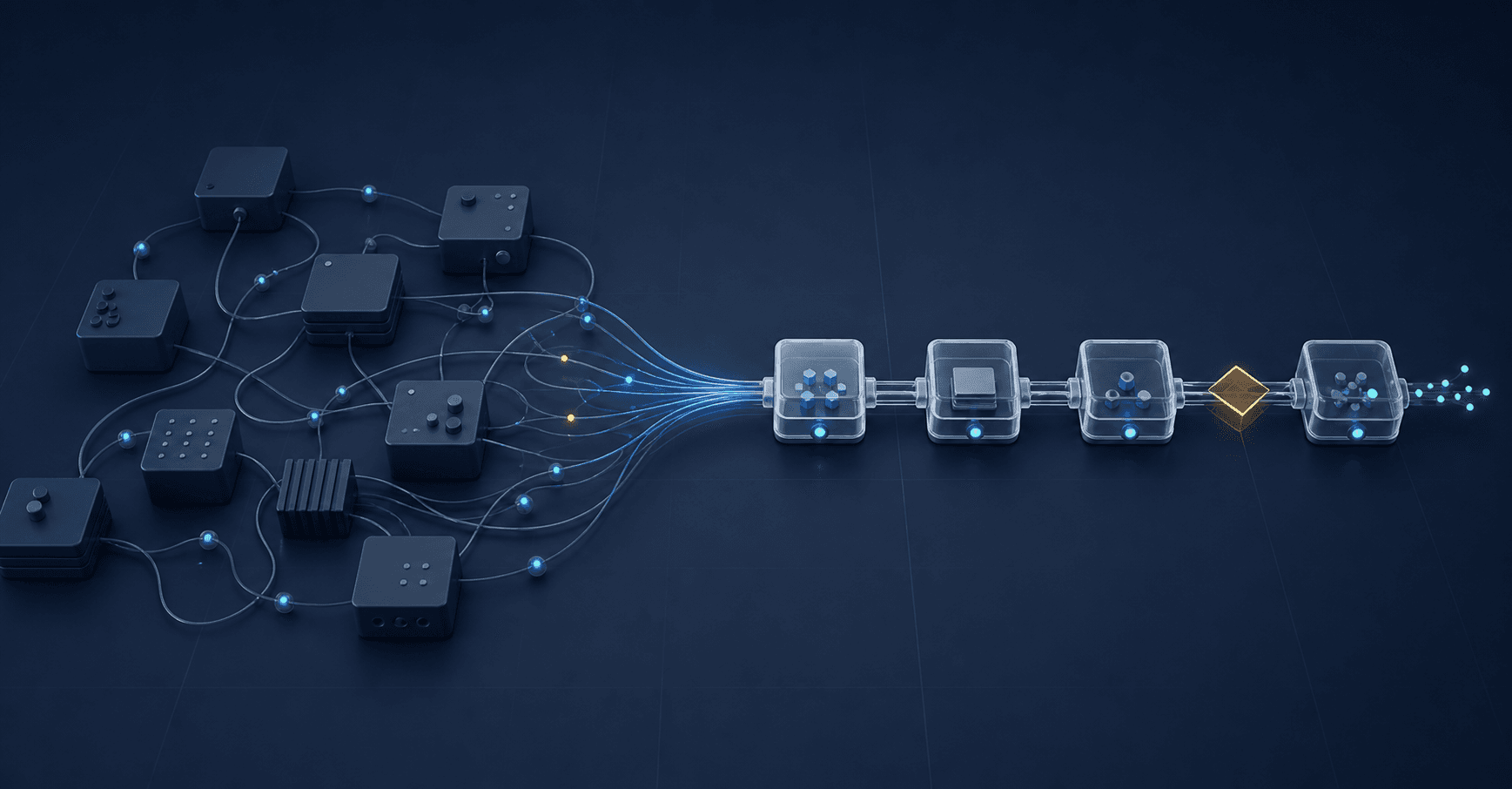
From friction to flow
We map what actually happens—not what the process document says happens—then remove unnecessary steps, connect the right systems, and make exceptions visible.
Explore workflow automationWhy UmarCode
We define the operational or commercial value before prescribing technology.
Milestones, risks, decisions, demos, and progress stay available throughout.
Maintainability, documentation, security, and handover are part of the outcome.
The working model
Transformation should not feel like a black box. Every stage creates a decision, an artifact, or working progress you can inspect.
Establish the business goal, current constraint, baseline, and material risks.
Compare options and define the roadmap, architecture, scope, and measures.
Ship in visible increments with regular demos, decisions, and quality controls.
Measure adoption, stabilize, transfer knowledge, and keep improving outcomes.
A lower-risk first step
The Transformation Diagnostic gives leadership a shared view of the constraint, the options, the risk, and the most responsible route forward.
Explore the diagnosticThe questions that matter
Assumptions, decisions, and change control are defined before implementation. Where uncertainty is material, we recommend a phased commitment instead of false precision.
Architecture decisions, priorities, documentation, and progress remain visible. Maintainability and handover are part of the delivery—not an afterthought.
We design migration, release, rollback, and adoption around the operation that must keep running. Risk is surfaced early and managed deliberately.
Latest perspectives
Practical analysis for making clearer decisions about software, automation, AI, security, and delivery.
Explore all insightsFix a Base44 custom-domain SSL error by verifying the exact DNS target, removing conflicting IPv6 and CAA records, checking Cloudflare proxying, and allowing certificate provisioning to finish.
Do not rebuild a Base44 app because one bug feels unbearable. Rebuild when evidence shows the current architecture cannot be changed, verified, secured, or operated safely.
Base44 and Supabase can connect in different ways. Identify whether you are using the read-only connector, a Lovable or Bolt migration, or a custom API before troubleshooting.
A blank Base44 preview is a symptom, not a diagnosis. Separate editor, browser, app-runtime, route, data-schema, and platform causes before making changes.
Fix Base44 ISOLATE_INTERNAL_FAILURE by checking the Deno entrypoint, cleaning the functions directory, removing invalid imports, and verifying one function at a time.
 06
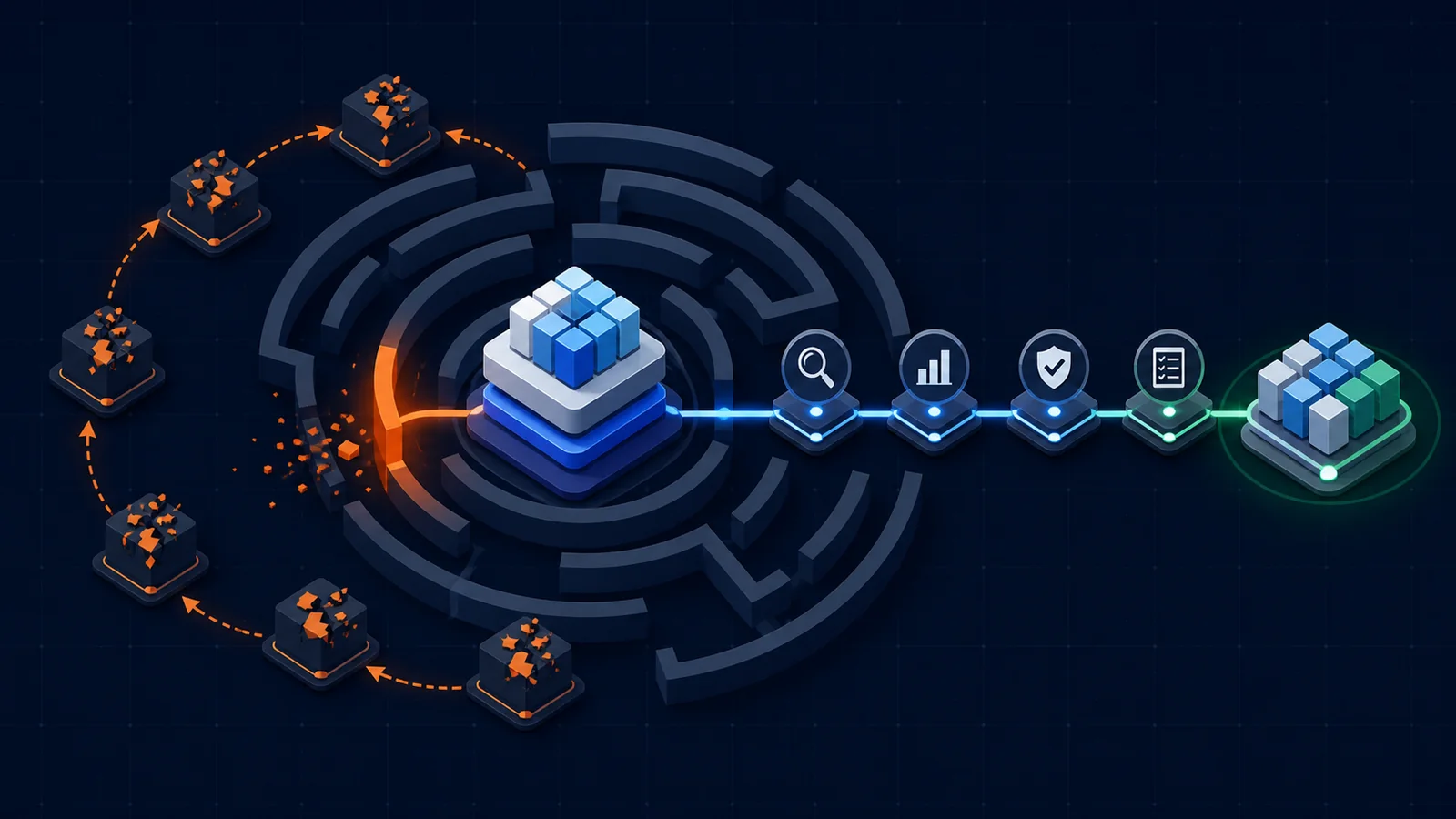
06If your vibe-coded app is stuck in a loop, stop prompting blindly. Use this recovery guide to diagnose the failure layer, protect working progress, rebuild context, and choose the safest next move.
AI agent identity and authorization must preserve who delegated authority, which agent is acting, what it may do, and where that authority ends. A shared service account cannot carry that context safely.
AI agent observability connects traces, tool calls, policy decisions, costs, failures, and business outcomes so teams can understand and control production behaviour.